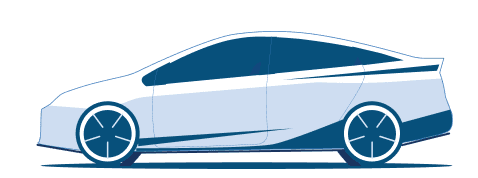
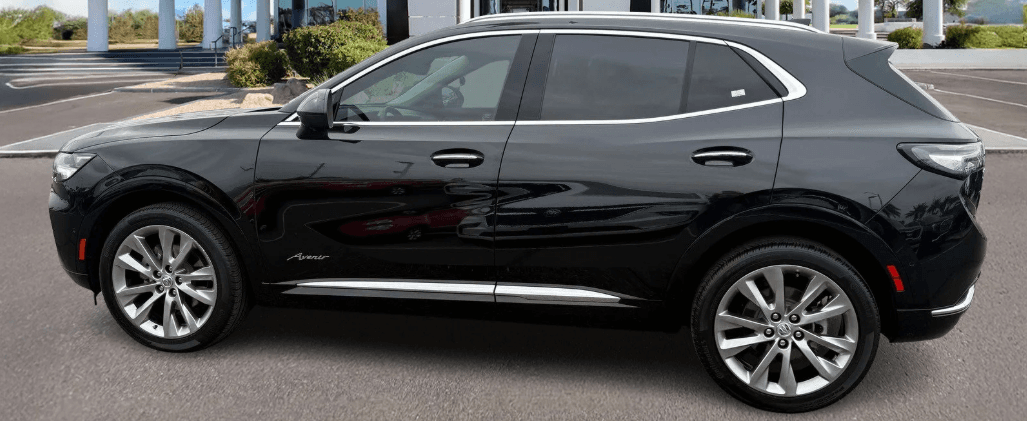
This content was aggregated from local dealer data and insights provided by the USA Today Network Automotive Insights team using Google Gemini and the Vehicles For Sale Near Cincinnati marketplace writing team.
Shopping for a used luxury vehicle near Cincinnati often begins with a choice between two appealing body styles: an SUV or a sedan. Both can offer premium interiors, advanced technology, and comfortable driving experiences, but they meet different everyday needs. A luxury SUV may provide easier cargo loading, a higher seating position, and additional passenger flexibility. A luxury sedan may appeal to drivers who prioritize a lower driving position, highway refinement, and maneuverability. However, body style is only one part of the decision. Buyers should also compare maintenance history, insurance costs, depreciation, tire expenses, and the condition of each vehicle before deciding which option delivers better long-term value.
Luxury vehicles are often associated with comfort, performance, and premium equipment.
However, a used luxury SUV and a used luxury sedan can deliver those benefits in different ways.
The SUV may emphasize versatility.
The sedan may emphasize road-focused driving characteristics.
Neither is automatically more comfortable, reliable, or affordable to own.
Those qualities depend on the exact model, model year, powertrain, equipment, mileage, and maintenance history.
For Cincinnati shoppers, the best starting point is identifying how the vehicle will be used.
Luxury SUVs may appeal to households that want passenger space, flexible cargo storage, and an elevated seating position.
Depending on size and configuration, a luxury SUV may offer:
A rear liftgate and accessible cargo area
Folding rear seats
Available all-wheel drive
Higher seating positions
Additional passenger space
Available premium comfort features
Flexible storage for luggage and everyday equipment
These characteristics can be useful for families, frequent travelers, and drivers who carry bulky items.
However, not every luxury SUV offers generous interior space.
Some compact luxury SUVs have relatively small rear seats or cargo areas.
Buyers should inspect actual dimensions rather than relying only on the SUV designation.
Luxury sedans often appeal to drivers who value a traditional passenger-car driving experience.
A sedan's lower seating position may contribute to a different sense of road connection.
Some sedans also offer comfortable highway cruising and refined cabin environments.
Depending on the model, potential advantages may include:
Lower overall vehicle height
Convenient access to urban parking
Comfortable front seating
Quiet highway operation
A separate enclosed trunk
Available premium audio and technology
Potentially lower fuel use than some larger SUVs
However, a luxury sedan is not automatically more efficient or less expensive than a luxury SUV.
Powertrain, weight, tires, and vehicle condition all matter.
Luxury branding does not guarantee that a used vehicle is in excellent condition.
A premium interior may still show significant wear.
Advanced electronics may require expensive repairs.
Suspension components, tires, and brakes may cost more than buyers expect.
A used luxury vehicle should be evaluated as both a transportation purchase and a potential maintenance commitment.
The strongest value comes from finding a well-maintained vehicle with equipment that matches the buyer's needs.
Comparison Factor | Used Luxury SUV | Used Luxury Sedan |
Seating position | Generally higher | Generally lower |
Cargo access | Rear liftgate; often flexible | Trunk with separate cargo compartment |
Passenger space | Varies; some models offer more flexibility | Varies by vehicle size |
Maneuverability | Larger models may require more parking space | May be easier to maneuver, depending on dimensions |
Fuel economy | Depends on weight and powertrain | May have an advantage in some comparable configurations |
Ride comfort | Varies by suspension, wheels, and tires | Varies by suspension, wheels, and tires |
Tire costs | Can be substantial, especially with large wheels | Can also be substantial with performance tires |
Maintenance | May include AWD and SUV-specific components | May include advanced suspension and performance systems |
Insurance | Depends on exact model and driver | Depends on exact model and driver |
Depreciation | Varies by brand and model | Varies by brand and model |
This table describes general considerations, not guaranteed differences.
Used luxury vehicles can offer impressive equipment, but buyers should confirm that every major system works correctly.
A feature that was expensive when new may also be expensive to repair.
That makes inspection and maintenance history especially important.
Luxury SUVs and sedans may use a variety of gasoline, hybrid, diesel, or electric powertrains.
The exact options depend on the model and year.
Buyers should evaluate how the engine and transmission operate during a test drive.
Look for:
Smooth acceleration
Consistent shifting
Unusual noises
Warning lights
Excessive vibration
Fluid leaks
Overheating
Delayed throttle response
A vehicle may feel normal during a short drive but reveal problems after reaching operating temperature.
A professional pre-purchase inspection can help identify concerns that are not immediately obvious.
Suspension design can have a major effect on comfort.
Some luxury vehicles use sophisticated suspension systems designed to improve ride quality or handling.
However, advanced components may be more expensive to repair.
Buyers should listen for clunks, rattles, or unusual noises over uneven pavement.
They should also check whether the vehicle sits level.
Uneven tire wear or excessive bouncing may indicate suspension problems.
For vehicles equipped with adjustable or air suspension, the system should be inspected carefully.
A comfortable ride is valuable, but buyers should understand the potential repair costs.
Luxury vehicles may use large wheels or performance-oriented tires.
These can influence appearance, handling, ride comfort, and replacement expenses.
Before purchasing, inspect:
Tire tread depth
Tire age
Sidewall condition
Uneven wear
Correct tire size
Matching tire specifications
Wheel damage
For AWD vehicles, tire matching may be especially important.
Some AWD systems are sensitive to differences in tire circumference.
Buyers should follow the manufacturer's tire replacement guidance.
Braking and steering condition should be part of every used luxury vehicle inspection.
Some models use larger or specialized brake components.
Replacement costs can vary considerably.
During a test drive, pay attention to:
Brake vibration
Pulling during braking
Steering looseness
Unusual noises
Uneven brake response
A qualified mechanic should inspect these systems before purchase.
Luxury vehicles often include numerous electronic features.
Depending on model and year, these may include:
Large infotainment displays
Digital instrument clusters
Premium audio systems
Heated and ventilated seats
Power-adjustable seating
Memory functions
Parking cameras
Advanced driver-assistance systems
Power liftgates
Panoramic roofs
Buyers should test every feature.
A touchscreen that looks attractive may have responsiveness problems.
A power seat may move in one direction but not another.
A panoramic roof may have drainage or sealing concerns.
Electronic repairs can be costly, so functionality should be verified before purchase.
Used luxury vehicles may offer advanced safety technology.
However, availability varies by model year and configuration.
Potential features include:
Automatic emergency braking
Blind-spot monitoring
Adaptive cruise control
Lane-keeping assistance
Rear cross-traffic alerts
Parking sensors
Surround-view cameras
Buyers should confirm which features are installed and functioning.
Driver-assistance systems are not substitutes for attentive driving.
Sensors and cameras may have limitations in rain, snow, or poor visibility.
Maintenance history is one of the strongest indicators of how a used vehicle has been cared for.
Ask for records showing:
Oil and filter service
Transmission maintenance
Brake replacement
Tire replacement
Cooling-system service
Suspension repairs
Major mechanical work
Recalls and completed repairs
A vehicle history report can provide useful information about ownership and reported incidents.
However, it may not contain every repair or accident.
A professional inspection remains important.
The best luxury vehicle depends on how often passengers travel with you, what you carry, where you park, and how much time you spend driving.
Luxury SUVs may be appealing to families because of their cargo flexibility and seating position.
A rear liftgate can make it easier to load strollers, sports equipment, or luggage.
However, a sedan may provide sufficient space for a smaller household.
Buyers should check rear-seat legroom, child-seat compatibility, and cargo dimensions.
The number of doors and body style do not tell the full story.
Cincinnati-area drivers may regularly use I-71, I-75, or I-275.
For these routes, seat comfort, cabin noise, fuel economy, and driver-assistance technology can be important.
Some luxury sedans may offer a refined highway experience.
Some luxury SUVs may provide a commanding seating position and flexible passenger space.
However, the actual experience depends on the vehicle.
A test drive on roads similar to the buyer's commute is the best way to compare.
Drivers who regularly visit downtown Cincinnati may encounter parking garages, narrow spaces, and heavy traffic.
A smaller luxury sedan may be easier to maneuver than a large SUV.
However, some compact luxury SUVs are relatively manageable.
Buyers should compare overall length, width, turning characteristics, and outward visibility.
Parking cameras and sensors may help, but they do not change the vehicle's physical dimensions.
A luxury SUV may be useful for weekend trips involving luggage, outdoor equipment, or bulky items.
A sedan may be sufficient for drivers who mainly carry suitcases or smaller bags.
Buyers should consider the shape of the cargo they regularly transport.
A large trunk volume does not guarantee that every item will fit through the opening.
Similarly, an SUV's cargo area may be limited when rear seats are occupied.
Cincinnati roads can include patched pavement, expansion joints, and uneven surfaces.
Ride comfort depends on suspension tuning, wheel size, tire type, and vehicle condition.
A luxury SUV is not automatically smoother than a sedan.
Some sport-oriented SUVs have firm suspensions.
Some sedans prioritize comfort.
Buyers should test the vehicle over realistic road surfaces.
Buyer Priority | Body Style to Consider | Important Verification |
Frequent bulky cargo | Luxury SUV | Cargo dimensions and liftgate access |
Mostly solo commuting | Luxury sedan or compact SUV | Seat comfort, fuel economy, and parking |
Family transportation | SUV or spacious sedan | Rear-seat room and child-seat fit |
Downtown parking | Smaller sedan or compact SUV | Dimensions and visibility |
Highway travel | Either | Cabin noise, ride quality, and technology |
Lower operating costs | Compare both | Insurance, tires, maintenance, and fuel |
Winter traction | AWD-equipped model, if appropriate | Tires and drivetrain condition |
The best choice depends on the individual vehicle, not body style alone.
Cincinnati winters can bring snow, slush, freezing rain, and icy roads.
Some luxury SUVs and sedans offer AWD.
However, AWD does not guarantee shorter stopping distances.
Tire condition and suitability remain critical.
A sedan with appropriate tires may provide better winter braking traction than an AWD SUV with worn tires.
Buyers should inspect tire age, tread depth, and specifications.
They should also consider how frequently they drive before roads are cleared.
Wet pavement can reduce traction.
Luxury vehicles may offer stability-control and driver-assistance technologies, but these systems have limits.
Drivers should maintain safe following distances and reduce speed when conditions require it.
Buyers should verify that tires, brakes, and windshield wipers are in good condition.
Fuel economy can vary widely among luxury vehicles.
A compact luxury sedan with a modest engine may use less fuel than a large SUV.
However, a hybrid SUV may be more efficient than some performance-oriented sedans.
Buyers should compare official fuel-economy information for the exact model and year.
A simple calculation can help estimate annual fuel expenses.
Consider two hypothetical vehicles driven 12,000 miles per year with gasoline priced at $3.50 per gallon.
Factor | Luxury Sedan | Luxury SUV |
Illustrative fuel economy | 28 mpg | 23 mpg |
Annual mileage | 12,000 | 12,000 |
Approximate annual fuel cost | $1,500 | $1,826 |
Estimated annual difference | — | $326 |
These are hypothetical figures, not verified ratings or current Cincinnati fuel prices.
Actual fuel costs depend on the vehicles and driving conditions.
Insurance premiums can differ significantly between luxury vehicles.
Factors may include:
Vehicle value
Repair costs
Safety equipment
Driver history
Location
Coverage limits
Deductibles
A luxury SUV is not automatically more expensive to insure than a luxury sedan.
Buyers should request quotes for the exact vehicles they are considering.
Luxury vehicles may have higher repair costs because of specialized parts, advanced electronics, and complex mechanical systems.
However, costs vary by brand, model, age, and condition.
Buyers should research:
Scheduled maintenance
Common repairs for the model and year
Tire replacement
Brake service
Suspension repairs
Electronic-system repairs
Availability of qualified service providers
A vehicle with complete maintenance records may be a better value than one with a lower price but uncertain service history.
Depreciation is the reduction in vehicle value over time.
Used luxury vehicles may have already experienced substantial depreciation.
That can make them attractive to buyers who want premium features at a lower purchase price than a comparable new vehicle.
However, depreciation does not eliminate ownership costs.
A vehicle that has lost significant value may still require expensive repairs.
Resale value also depends on mileage, condition, market demand, and maintenance history.
Buyers should evaluate expected ownership costs rather than assuming a heavily depreciated luxury vehicle is automatically a bargain.
A professional pre-purchase inspection is particularly valuable for used luxury vehicles.
The inspection should evaluate mechanical condition, electronic systems, suspension, brakes, tires, and signs of previous damage.
For vehicles with complex equipment, a specialist familiar with the brand may be helpful.
Buyers should request permission for an independent inspection before finalizing the purchase.
A vehicle history report is useful but does not replace a physical inspection.
The purchase price is only one part of owning a used luxury vehicle.
Buyers should budget for:
Fuel
Insurance
Registration
Routine maintenance
Repairs
Tires
Financing
Depreciation
A lower monthly payment does not necessarily mean a lower total cost.
Longer financing terms may increase interest expenses.
A transparent, itemized out-the-door quote helps buyers compare offers.
Compare passenger space, cargo flexibility, ride comfort, fuel economy, insurance, maintenance history, and depreciation. Cincinnati buyers should also evaluate winter tire needs, parking convenience, and highway comfort. A professional pre-purchase inspection is important because luxury vehicles may have complex mechanical and electronic systems.
Research fuel, insurance, registration, tires, routine maintenance, repairs, financing, and depreciation. Luxury vehicles may require specialized parts or service. Buyers should also investigate common issues for the exact model and year. Comparing the total cost of ownership provides a better picture than focusing only on the purchase price.
Start with marketplace listings that show individual vehicle details, mileage, equipment, and seller information. Compare similar luxury SUVs and sedans based on condition and ownership history. Ask for maintenance records, verify installed features, and arrange a pre-purchase inspection. Confirm current availability and pricing directly with the seller.
Not necessarily. Maintenance costs depend on the brand, model, powertrain, equipment, and condition. Some luxury SUVs have additional drivetrain components or larger tires, while some luxury sedans use complex suspension or performance systems. Buyers should research model-specific maintenance requirements rather than assuming one body style is always cheaper.
A used luxury vehicle can provide premium comfort and technology at a lower purchase price than a comparable new model. However, repair costs, insurance, depreciation, and maintenance can affect the overall value. The strongest purchase is typically a vehicle with a documented service history, satisfactory inspection results, and ownership costs that fit the buyer's budget.
A used luxury SUV and a used luxury sedan can both provide a comfortable and refined driving experience.
For Cincinnati buyers who need flexible cargo space and an elevated seating position, an SUV may be the better fit.
For drivers who prioritize traditional sedan handling, highway comfort, and potentially easier parking, a sedan may be more appealing.
However, the most important factor is the condition of the individual vehicle.
Maintenance history, tire condition, electronic functionality, and repair costs can have a greater effect on long-term satisfaction than body style alone.
The best used luxury vehicle is the one that matches your daily needs, passes a thorough inspection, and fits your total ownership budget—not simply the one with the most premium features.
By comparing practical needs with real-world costs, Cincinnati shoppers can make a more informed decision.
If you're comparing luxury SUVs and sedans, reviewing individual listings can help you identify differences in body style, mileage, equipment, and condition.
Browse Used Luxury Cars and SUVs for Sale Near Cincinnati, OH to compare marketplace listings and review individual vehicle details.
You can also learn more about NW Automotive Group to review dealership information and explore your shopping options.
Before visiting, confirm the vehicle's availability, maintenance history, condition, and current out-the-door price with the seller.
Written for https://vehiclesforsalenearcincinnati.com
By the USA TODAY Network Automotive Insights Team, in collaboration with NW Automotive Group and the Vehicles For Sale Near Cincinnati Enquirer Edition.
Disclaimer: This article's content is intended for informational purposes only. Vehicle specifications and features are based on data provided by J.D. Power and local dealerships and may vary by individual vehicle, VIN, trim, configuration, packages, and optional equipment. Vehicle images may not depict the exact model, trim, features, packages, accessories, or specifications described. Vehicle pricing, availability, features, and specifications are subject to change without notice. Please reference the dealership's vehicle listing and window sticker or consult the dealership directly for complete and accurate details.