
This content was aggregated from local dealer data and insights provided by the USA Today Network Automotive Insights team using Google Gemini and the Vehicles For Sale Near Cincinnati marketplace writing team.
For Cincinnati business owners, contractors, and independent tradespeople, choosing between a used cargo van and a used pickup truck is about more than finding a vehicle that can carry tools. The right work vehicle can protect valuable equipment, improve job-site efficiency, reduce unnecessary trips, and help control operating expenses. However, cargo vans and pickups serve different purposes. A van may offer enclosed storage and organized access to supplies, while a pickup may be better suited to hauling bulky materials or towing certain trailers. Before buying, Cincinnati-area shoppers should compare payload ratings, cargo dimensions, upfit requirements, maintenance history, and total ownership costs to determine which body style delivers better value for their work.
A commercial vehicle is more than transportation.
For many businesses, it functions as a mobile workshop, storage area, delivery platform, or equipment hauler.
That makes the purchase decision different from choosing a personal vehicle.
The best option is not necessarily the newest, largest, or least expensive model.
It is the vehicle that can complete daily tasks efficiently without creating unnecessary operating costs.
For buyers comparing a used cargo van with a used pickup, the most important questions concern what the vehicle must carry, how that cargo will be accessed, and where the vehicle will operate.
A cargo van typically provides an enclosed cargo compartment behind the front seating area.
Depending on the model, it may offer rear doors, a side loading door, a relatively low cargo floor, and room for shelving or storage systems.
This layout can be especially useful for businesses that transport tools, small parts, packaged goods, or service equipment.
Electricians, plumbers, HVAC technicians, delivery operators, and mobile repair businesses may benefit from enclosed storage.
A van can help keep tools out of direct sunlight and provide some protection from dust and precipitation.
However, a cargo van is not automatically secure or climate-controlled.
The quality of locks, windows, partitions, ventilation, and insulation matters.
In Cincinnati's summer heat, the inside of a parked van can become extremely hot.
Heat-sensitive materials may still require special handling.
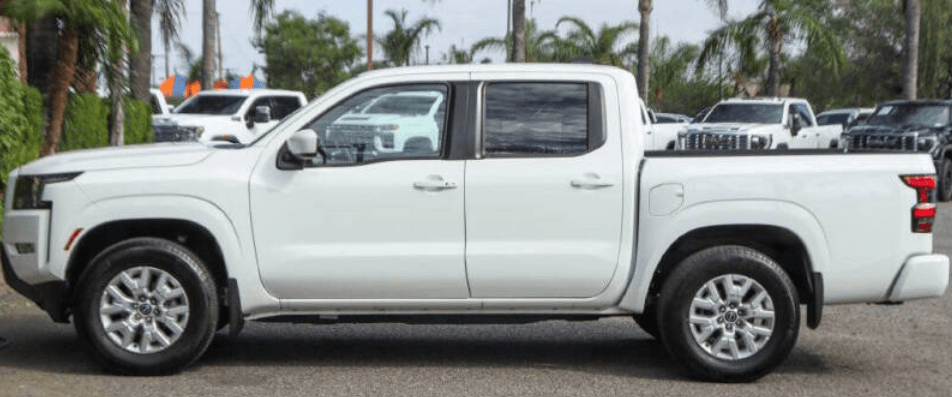
A pickup truck provides an open cargo bed that can accommodate items that may be difficult to fit inside a van.
Depending on the truck's configuration, this can include lumber, landscaping supplies, equipment, or oversized materials.
Pickups may also offer useful towing capability.
For businesses that regularly transport trailers, a properly equipped pickup may be an appropriate choice.
However, buyers should verify the exact vehicle's towing and payload ratings.
A pickup's advertised maximum towing figure does not apply to every configuration.
Likewise, an open bed exposes cargo to weather, dust, sunlight, and potential theft unless suitable storage or protection is added.
The main difference between these body styles is how they handle cargo.
A van prioritizes enclosed space.
A pickup prioritizes open-bed flexibility.
For example, a technician who carries hundreds of small parts may value shelves, bins, and lockable storage.
A landscaping business that regularly transports soil, plants, or large equipment may prefer a pickup bed or trailer setup.
Neither vehicle is automatically more capable.
The better choice depends on the work.
Comparison Factor | Used Cargo Van | Used Pickup |
Cargo protection | Enclosed compartment offers protection from some weather and visibility | Open bed may require covers, boxes, or other protection |
Cargo organization | Often well suited to shelving and bins | Bed drawers, toolboxes, and racks may be available |
Bulky materials | Limited by door openings and interior dimensions | Open bed can accommodate certain oversized loads |
Towing | Depends on model and configuration | Depends on model and configuration |
Payload | Must be verified for the exact vehicle | Must be verified for the exact vehicle |
Loading access | Side and rear doors may support organized loading | Bed access may be convenient for large items |
Parking | Height and length can be limiting | Length and turning space can be limiting |
Upfitting | Shelves, partitions, and interior workstations | Toolboxes, racks, bed systems, and service bodies |
Cargo security | Enclosed storage can help, but locks and practices matter | May require additional security equipment |
These are general comparisons. Actual capability depends on the vehicle's size, drivetrain, equipment, modifications, and condition.
A used commercial vehicle may have experienced demanding service.
Mileage alone does not reveal how hard it has worked.
A van used for frequent short delivery trips may have accumulated extensive engine idling and repeated stop-and-go operation.
A pickup used on construction sites may show suspension wear, underbody damage, or evidence of heavy hauling.
Buyers should evaluate both the vehicle's mechanical condition and its suitability for the intended job.
Payload is one of the most important specifications for any work vehicle.
It represents the weight available for occupants, cargo, accessories, and other loads, subject to the vehicle's applicable ratings.
A commercial van with heavy shelving may have less remaining payload than expected.
Similarly, a pickup with a toolbox, ladder rack, bed cover, and several passengers may have less capacity available for materials.
Buyers should determine the weight of the equipment they carry on a normal workday.
They should also consider the heaviest realistic load.
For example, a plumbing business may transport tools, replacement parts, pipe, and water heaters.
A landscaping business may carry mowers, trimmers, fuel containers, and supplies.
The total weight can increase quickly.
Gross Vehicle Weight Rating, or GVWR, is the maximum allowable loaded weight of the vehicle.
Gross Axle Weight Ratings, or GAWR, establish limits for individual axles.
Both matter.
A vehicle can exceed an axle rating even when its total weight appears acceptable.
Cargo placement influences how weight is distributed.
For vans, heavy shelving or equipment concentrated on one side may create loading concerns.
For pickups, a heavy load positioned near the tailgate can affect rear-axle loading and handling.
Buyers should verify the exact vehicle's certification labels and manufacturer documentation.
Some businesses need to tow equipment trailers, enclosed trailers, or other work-related loads.
Towing capability depends on more than engine power.
Important factors include:
Engine and transmission
Drivetrain
Axle ratio
Cab and body configuration
Installed towing equipment
Gross Combined Weight Rating
Trailer weight
Trailer tongue weight
Available payload
A pickup is not automatically the better tow vehicle.
Some cargo vans are designed for towing, while some pickups may have limited ratings depending on configuration.
The correct choice requires matching the exact vehicle to the intended trailer.
Published cargo volume can be useful, but dimensions often matter more.
A van may have substantial interior space while still being unable to accommodate a particular item through its doors.
Buyers should measure:
Cargo floor length
Interior width
Width between wheel housings
Interior height
Side-door opening
Rear-door opening
Loading height
For pickups, bed length, width, and height should be compared with the materials being transported.
A business that carries long ladders or lumber may need a rack system regardless of body style.
Used work vehicles may spend long periods idling, carrying loads, or operating in heavy traffic.
These conditions can affect wear.
During a test drive, buyers should look for:
Rough idle
Unusual engine noises
Delayed or harsh shifting
Excessive vibration
Fluid leaks
Overheating
Warning lights
Poor acceleration
Unusual exhaust smoke
A qualified mechanic should inspect the vehicle before purchase.
For Cincinnati buyers, cooling-system condition is especially important because extreme heat can place additional demands on engines and air-conditioning systems.
Work vehicles may regularly carry heavy equipment.
That can increase demands on suspension components, brakes, and tires.
Buyers should inspect:
Shock absorbers and struts
Springs
Steering components
Brake pads and rotors
Tire tread and sidewalls
Tire load ratings
Wheel condition
Uneven tire wear
A vehicle that appears level when empty may behave differently under load.
The pre-purchase inspection should consider the vehicle's previous commercial use.
Service records are particularly valuable when evaluating used commercial vehicles.
A vehicle with documented maintenance may be easier to assess than one with an unknown history.
Ask about:
Oil and filter changes
Transmission service
Cooling-system maintenance
Brake replacement
Tire replacement
Suspension repairs
Major mechanical work
Previous fleet or business use
Accident and damage history
A vehicle history report can provide useful information, but it may not contain every repair or incident.
A physical inspection remains important.
The best work vehicle should support daily tasks while minimizing unnecessary expenses.
A van may reduce the need for separate storage accessories.
A pickup may be more convenient for oversized cargo.
However, modifications and equipment can change the total cost significantly.
Cargo vans may be well suited to businesses that carry tools and supplies throughout the day.
Examples include:
Electrical service
Plumbing
HVAC maintenance
Appliance repair
Mobile detailing
Delivery services
Telecommunications installation
An enclosed cargo area can support shelves, bins, and workstations.
This may reduce time spent searching for equipment.
However, the vehicle must have sufficient payload for the upfit and tools.
Shelving and partitions add weight.
A fully equipped van may have less remaining capacity than an empty one.
Pickups may be well suited to businesses that transport bulky or irregularly shaped items.
Examples include:
Landscaping
General contracting
Property maintenance
Construction supply transport
Equipment hauling
Certain agricultural tasks
A pickup bed can provide flexible loading.
However, loose materials must be properly secured.
Some loads may require a bed liner, rack, toolbox, or trailer.
Those accessories add cost and weight.
An upfit is a modification or equipment installation that adapts a vehicle for a particular business.
Examples include van shelving, ladder racks, partitions, service bodies, and specialized storage.
Before purchasing, buyers should determine whether the vehicle can support the intended upfit.
Important questions include:
Is the body style compatible with the equipment?
Will the upfit reduce available payload?
Are mounting points appropriate?
Will electrical accessories require additional capacity?
Can the vehicle still fit in required parking areas?
Does the modification affect warranty or insurance requirements?
Used vehicles may already have upfits installed.
Those installations should be inspected for structural integrity, safe mounting, and compatibility.
A lower-priced vehicle may require significant spending before it can be used for work.
For example, a used cargo van may need shelving, tires, brakes, and cooling-system repairs.
A pickup may need a toolbox, rack, bed protection, and towing equipment.
The total cost should include these expenses.
Cost Category | Used Cargo Van | Used Pickup |
Hypothetical purchase price | $24,000 | $25,000 |
Initial inspection and repairs | $1,500 | $1,000 |
Storage or upfit equipment | $2,500 | $1,800 |
Initial tires and maintenance | $1,200 | $1,200 |
Illustrative initial total | $29,200 | $29,000 |
These figures are hypothetical examples, not verified Cincinnati market prices.
They show why purchase price alone may not identify the better value.
Actual costs depend on vehicle condition, equipment needs, labor, and local pricing.
For a business, vehicle downtime can create costs beyond the repair bill.
A broken-down work vehicle may cause missed appointments, delayed deliveries, or lost revenue.
Buyers should consider:
Mechanical reliability
Availability of replacement parts
Service access
Maintenance history
Backup transportation options
Expected repair time
A vehicle that costs slightly more initially may provide better business value if it is in stronger mechanical condition.
However, no used vehicle can be guaranteed to avoid repairs.
A work vehicle's value can also depend on how efficiently it supports the job.
A van with organized storage may reduce loading time.
A pickup with the right rack system may make transporting materials easier.
A business owner should consider how many trips the vehicle can complete, how quickly equipment can be accessed, and whether it reduces the need for additional transportation.
The best body style is the one that supports the actual workflow.
Cincinnati's summer temperatures create special considerations for commercial vehicles.
An enclosed van can shield cargo from direct sunlight, dust, and some weather exposure.
However, the interior of a parked van can become extremely hot.
Heat-sensitive tools, adhesives, electronics, batteries, chemicals, and other materials may require additional precautions.
A pickup bed exposes cargo more directly to sunlight.
Covers and storage boxes may provide protection, but they do not necessarily keep contents cool.
Businesses should follow product storage requirements and applicable safety guidance.
A functioning air-conditioning system is important for Cincinnati drivers.
Commercial vehicles may spend long periods idling or traveling between job sites.
Buyers should verify that the A/C cools effectively.
They should also inspect the cabin blower, controls, and visible system components.
A vehicle that feels comfortable during a short test drive may perform differently during prolonged summer operation.
A pre-purchase inspection should include cooling and air-conditioning performance.
Cincinnati businesses may spend significant time in traffic.
Routes involving Interstate 10, Interstate 17, Loop 101, or Loop 202 can include congestion and frequent speed changes.
Stop-and-go driving may affect fuel consumption and vehicle wear.
For delivery and service businesses, idling time may also be substantial.
Buyers should consider how the vehicle will perform during repeated short trips.
Vehicle size can affect productivity.
A tall cargo van may not fit in certain parking garages.
A long pickup may be difficult to maneuver in crowded lots.
Buyers should check:
Overall height
Overall length
Turning characteristics
Door-opening clearance
Loading-zone access
Garage and storage dimensions
A vehicle that is difficult to park near customers may create daily inconvenience.
Fuel consumption depends on engine, drivetrain, vehicle weight, cargo load, and driving conditions.
A van and pickup with similar purchase prices may have different operating costs.
Buyers should compare official fuel-economy information where applicable and use realistic annual mileage.
Commercial vehicles used for heavy loads or frequent idling may consume more fuel than expected.
A business that drives many miles each year should pay particular attention to fuel expenses.
A vehicle used for business may require commercial insurance.
Coverage requirements depend on the business, vehicle use, and insurer.
Personal auto insurance may not cover every commercial activity.
Before purchasing, buyers should explain the intended use to an insurance professional.
Upfits, tools, and business equipment may require separate coverage.
Insurance cost should be included in the ownership budget.
Commercial vehicle requirements may vary based on vehicle weight, use, and operating activities.
Certain businesses may face additional registration, licensing, or regulatory obligations.
Buyers should verify applicable Arizona and federal requirements for their intended operations.
A vehicle's GVWR and how it is used may affect which rules apply.
Used work vehicles require regular service.
Cincinnati buyers should pay particular attention to:
Cooling-system condition
Engine oil and filters
Transmission service
Tires
Brakes
Suspension
Battery condition
Air-conditioning performance
A maintenance budget should account for both scheduled service and unexpected repairs.
For businesses, preventive maintenance may help reduce avoidable downtime.
The full cost of a used work vehicle includes more than the purchase price.
Buyers should evaluate:
Financing
Insurance
Registration
Fuel
Routine maintenance
Repairs
Tires
Upfits
Storage accessories
Downtime
Depreciation
A detailed comparison can help identify which body style provides the strongest business value.
Compare payload, cargo dimensions, towing requirements, mechanical condition, maintenance history, and upfit compatibility. Cincinnati buyers should also evaluate cooling-system health, air-conditioning performance, tire condition, and the vehicle's previous commercial use. The best choice depends on the actual work rather than body style alone.
Research fuel, insurance, registration, routine maintenance, tires, repairs, financing, and depreciation. Business buyers should also account for upfits, tool storage, and potential downtime. A lower purchase price may not provide better value if the vehicle needs major repairs or expensive equipment before it can be used.
Start with marketplace listings that show vehicle details, mileage, body style, and seller information. Compare similar cargo vans and pickups based on condition and intended use. Ask for maintenance records, verify payload and towing ratings, and arrange a professional pre-purchase inspection. Confirm current availability and pricing directly with the seller.
A cargo van generally offers more enclosed storage, which can help protect tools from direct sunlight, dust, and casual visibility. However, security depends on locks, partitions, and storage practices. In Cincinnati, a parked van can still become extremely hot, so heat-sensitive equipment may require additional protection.
Not necessarily. Towing capability depends on the exact vehicle's engine, drivetrain, axle ratio, equipment, and weight ratings. Some pickups have substantial towing capability, but not every pickup can tow more than every van. Buyers should verify the specific vehicle's towing rating and ensure that trailer tongue weight does not exceed applicable payload or axle limits.
A used cargo van and a used pickup can both be practical choices for Cincinnati businesses.
A cargo van may offer stronger value for service professionals who need enclosed storage, organized tools, and frequent access to supplies.
A pickup may be better suited to businesses that transport bulky materials, equipment, or trailers.
However, the best choice depends on more than cargo space.
Payload, upfit compatibility, maintenance history, operating costs, and vehicle condition all affect long-term value.
The best used work vehicle is the one that supports your daily jobs, stays within its verified load ratings, and delivers dependable operation at a manageable total cost.
By comparing real business needs with the capabilities and condition of individual vehicles, Cincinnati buyers can make a more informed purchase.
If you're comparing commercial vehicles, reviewing individual listings can help you identify differences in body style, cargo dimensions, mileage, and equipment.
Browse Used Cargo Vans for Sale Near Cincinnati, AZ to compare marketplace listings and review individual vehicle details.
You can also learn more about Courtesy Automotive to review dealership information and explore your shopping options.
Before visiting, confirm the vehicle's availability, condition, payload rating, service history, and current out-the-door price with the seller.
Written for https://vehiclesforsalenearcincinnati.com
By the USA TODAY Network Automotive Insights Team, in collaboration with and the Vehicles For Sale Near Cincinnati Enquirer Edition.
Disclaimer: This article's content is intended for informational purposes only. Vehicle specifications and features are based on data provided by J.D. Power and local dealerships and may vary by individual vehicle, VIN, trim, configuration, packages, and optional equipment. Vehicle images may not depict the exact model, trim, features, packages, accessories, or specifications described. Vehicle pricing, availability, features, and specifications are subject to change without notice. Please reference the dealership's vehicle listing and window sticker or consult the dealership directly for complete and accurate details.